
For more than seven decades, Dolly Parton has remained one of the most recognizable figures in American culture. While recent attention often focuses on her changing appearance, the deeper story is about control and self-definition. From the beginning of her career, Dolly shaped her image and path deliberately, refusing to let trends or public expectations dictate who she should be.
Born in a one-room cabin in rural Tennessee, she grew up in poverty as one of twelve children. Music became her path forward early in life, and by the age of ten she was already performing on local radio and television. After high school, she moved to Nashville determined to succeed on her own terms, eventually releasing her debut album Hello, I’m Dolly in 1967 and launching a career that would transform country music.
- At My Wedding My Husbands Daughter Asked Can I Tell You Daddys Secret Now That Youre My Mommy What She Said Next Made My Stomach Drop

Less than three hours after marrying Graham, I learned that his six year old daughter had been keeping a secret for […]
- A Wealthy Widower from a Nursing Home Asked Me to Marry Him After His Funeral His Lawyer Handed Me an Envelope and Said The Truth Inside May Be Difficult to Process
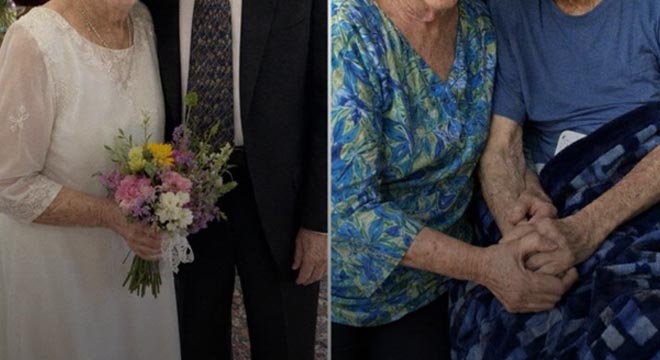
I was 78 when I met Arthur in the courtyard of our nursing home. I lived in the state funded wing and shared a small […]
Her songwriting legacy alone is remarkable. With more than 3,000 songs to her name, Dolly created timeless classics such as “Jolene,” “Coat of Many Colors,” and “I Will Always Love You.” At the same time, she built an unmistakable public image—big hair, bold makeup, and flamboyant fashion—that she embraced with humor and confidence, often joking that she was fully aware of the spectacle she created.
Today, Dolly Parton remains active not only in music but also in philanthropy and cultural leadership. Through literacy programs and charitable efforts, she has helped millions of children while continuing to release new music and explore new genres. Her lasting influence comes not from resisting change, but from staying firmly in control of her identity—an artist who built her career, image, and legacy entirely on her own terms.