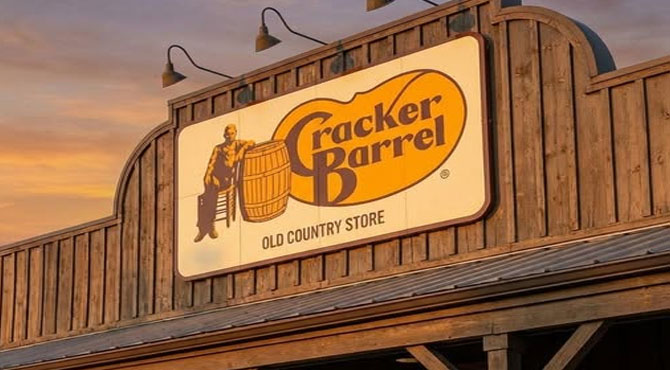
The backlash hit like a slammed door. What was sold as a “refresh” felt, to loyal guests, like watching a favorite childhood photograph get quietly edited. A thinner logo. Brighter lights. Less clutter on the walls. Each change whispered a louder fear: if this can shift, what else from our own past can simply si… Continues…
What Cracker Barrel ran into wasn’t just criticism over décor; it was the raw panic people feel when a place they’ve woven into their life story starts to look unfamiliar. Regulars weren’t mourning rocking chairs and peg games in isolation—they were mourning the illusion that at least one room in their world might stay frozen in time. By rolling back some changes and restoring beloved details, the brand quietly admitted something powerful: nostalgia isn’t a marketing angle you A/B test; it’s a promise you either keep or break.
- A Father Started Charging His 18 Year Old Son 250 a Month for His Room Five Years Later the Young Man Received a Box That Turned His Life Upside Down

For five years, my father charged me rent while I struggled to make ends meet, and I grew to resent him. After his […]
- A poor young man weds a 60 year old girl 10 days later she discovers See more

In the quiet town of Oakhaven, residents were often interested in one another’s lives, but few events generated as […]
The same emotional fault line ran through the employee policies. What leaders framed as alignment and stewardship sounded, on the floor, like mistrust. Only when they softened the rules, clarified intent, and invited feedback did the relationship begin to mend. Cracker Barrel’s path forward now depends on a harder discipline than innovation: changing carefully enough that people still recognize themselves in the place they love.