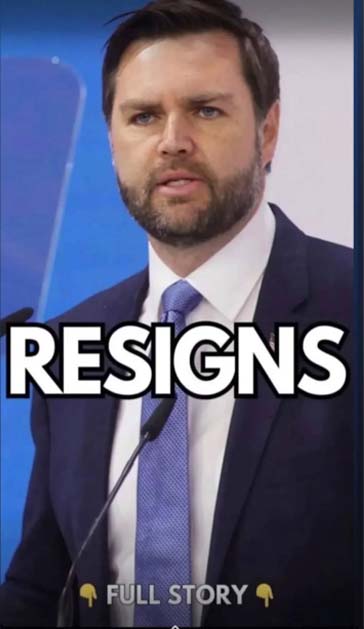
A senior leadership change at the Federal Emergency Management Agency has drawn attention in Washington, D.C., following ongoing discussions about the agency’s role in national disaster response. Cameron Hamilton, a key official within FEMA, was reportedly dismissed after being called to the Department of Homeland Security headquarters. According to reports, the decision involved Deputy Homeland…
A senior leadership change at the Federal Emergency Management Agency has drawn attention in Washington, D.C., following ongoing discussions about the agency’s role in national disaster response. Cameron Hamilton, a key official within FEMA, was reportedly dismissed after being called to the Department of Homeland Security headquarters. According to reports, the decision involved Deputy Homeland Security Secretary Troy Edgar and senior adviser Corey Lewandowski.
- I Married a Wealthy Man 41 Years Older Than Me… After His Funeral, His Children Smirked as the Lawyer Handed Me a Small Wooden Box—Then He Said, “Richard Made Sure You Got Exactly What You Deserved.”

Everyone believed I married Richard for his money. Family law resources And at first… they weren’t completely […]
- I Signed the Papers to Leave My Baby at the Hospital… But as I Was Walking Away, a Nurse Ran After Me and Said, “There’s Something Your Husband Never Told You”

I was twenty-four years old when I gave birth to my first child. Find Hospitals For nine months, I had imagined that […]
The timing of the dismissal is notable, coming just one day after Hamilton testified before a House Appropriations subcommittee. During the hearing, he appeared to diverge from recent remarks by Kristi Noem regarding potential changes to FEMA’s structure. Discussions have included the possibility of reducing or eliminating the agency and reallocating responsibilities to state-level emergency management systems—an idea previously associated with Donald Trump.
In his testimony, Hamilton expressed clear opposition to such a shift, stating that eliminating FEMA would not serve the public interest. His comments highlighted ongoing differences in perspective about how disaster response should be organized and funded at the federal versus state level. These discussions reflect broader policy considerations about efficiency, coordination, and preparedness during emergencies.
FEMA’s press office confirmed the leadership change, according to reporting. The development adds another layer to the evolving conversation around disaster management in the United States, as policymakers continue to evaluate how best to respond to large-scale emergencies while balancing federal oversight and local control.