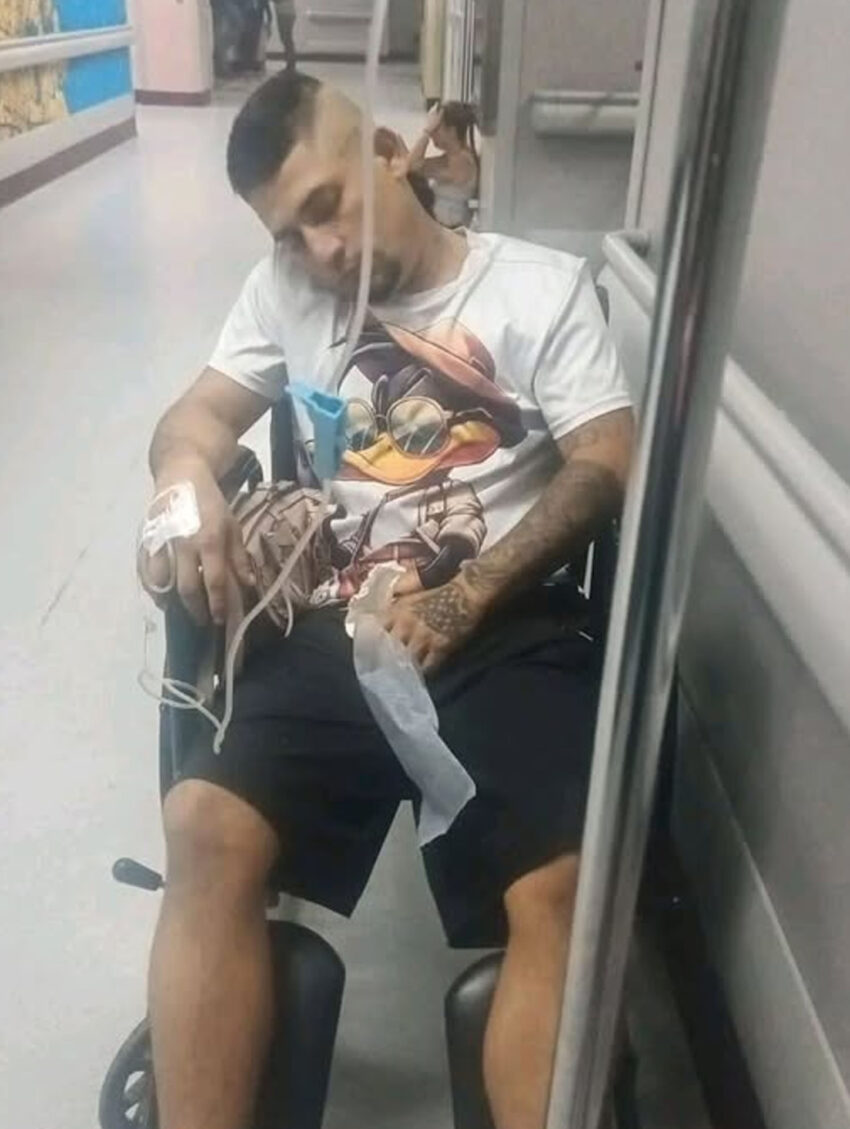
A young man arrived at a hospital in critical condition, needing urgent medical care, but instead of receiving immediate treatment, he was left waiting in a corridor. By the time help came, it was too late. His death has left a family grieving, a community demanding answers, and a healthcare system facing painful questions about how such a failure could happen.
What happened was not just one tragic moment, but a sign of deeper pressure building inside hospitals. Overcrowded emergency departments, too few staff, limited space, and stretched resources have created situations where patients can no longer always be treated as quickly as their condition requires. In these circumstances, delays can have devastating consequences.
- My Daughter in Law Gave Me a 2 Scratch Ticket for My 73rd Birthday She Never Knew It Was Worth Millions

PART 3I slowly set down my coffee. “I know what?” He pointed to the signature. “T&E Property Holdings.” I […]
- Lady Slammed Me for My Crying Baby at a Grocery Store, She Turned Red When She Heard My Reply

A man noticed a lady following him in the grocery store for a few minutes. He had gone there to grab some stuff with […]
The case has drawn attention to a wider problem affecting many healthcare systems. As demand for emergency care rises, hospitals are struggling to keep pace with staffing shortages, funding limits, and infrastructure that cannot fully meet growing needs. Families are left asking whether faster care could have changed the outcome, while healthcare workers are forced to make impossible decisions under intense pressure.
The young man’s death has now become a symbol of a larger crisis in emergency care. It has sparked calls for stronger funding, better staffing, improved triage systems, and long-term healthcare reform. More than anything, it has raised a difficult question that cannot be ignored: whether this tragedy will lead to real change, or whether another family will face the same loss again.