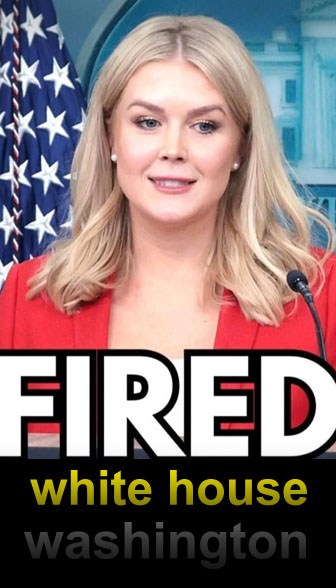
Cameron Hamilton walked into Congress and crossed a line the White House never forgives. In a single hearing, the acting FEMA chief publicly rejected President Trump’s plan to gut his own agency—and paid for it with his job. His swift firing sent shockwaves through emergency management circles. With hurricane season looming, insiders warn this purge isn’t politics as usual. It’s a recalibra… Continues…
Hamilton’s ouster exposed a brutal truth: in this White House, loyalty often outranks expertise, even when lives are on the line. By removing a leader who openly defended FEMA’s existence, the administration made clear it is willing to gamble with the nation’s disaster safety net to advance its vision of shrinking federal power. Supporters call it a necessary correction to bloated spending and bureaucracy. But inside FEMA, and among governors and first responders, the mood is closer to dread than relief.
- My Husband Left Me Alone with Our SixMonthOld Twins While He Went on Vacation When He Came Back, He Froze in the Doorway
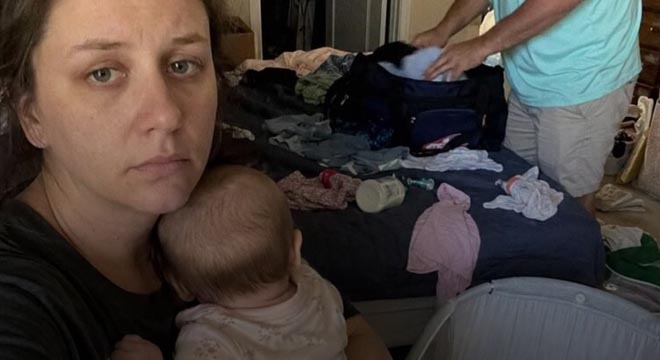
The story behind the headline My Husband Left Me Alone with Our SixMonthOld Twins While He Went on Vacation When He […]
- My Husband Left Me with 3 Kids and a Mountain of Debt Then My Landlord Gave Me 5 Days to Pay Rent or Move Out

The story behind the headline My Husband Left Me with 3 Kids and a Mountain of Debt Then My Landlord Gave Me 5 Days to […]
David Richardson now steps into an impossible role: steady the agency while the ground beneath it is being deliberately pulled away. As Trump pushes states to shoulder more responsibility, the gap between rich and poor, prepared and unprepared, will widen. When the next major hurricane, wildfire, or pandemic hits, the real verdict on this political gamble won’t come from Congress—it will come from the rubble.