
The moment the indictment dropped, the ground shifted. A former president, now a criminal defendant, accused of conspiring against the very system he once swore to protect. Supporters call it a witch hunt. Critics call it overdue accountability. But buried in the legal jargon is a single, terrifying question about power, lies, and the fragility of democra… Continues…
This case isn’t just about one man’s conduct after an election; it’s about whether the guardrails of American democracy still work when pushed to the breaking point. Prosecutors say the lies were deliberate, the pressure calculated, the schemes designed to turn doubt into power. The defense will insist it was all political speech, fueled by belief, not criminal intent. Between those two narratives sits a jury that must decide whether a president can cross a line the law has never clearly had to draw before.
- The Mechanic Who Saved The Judge’s Daughters
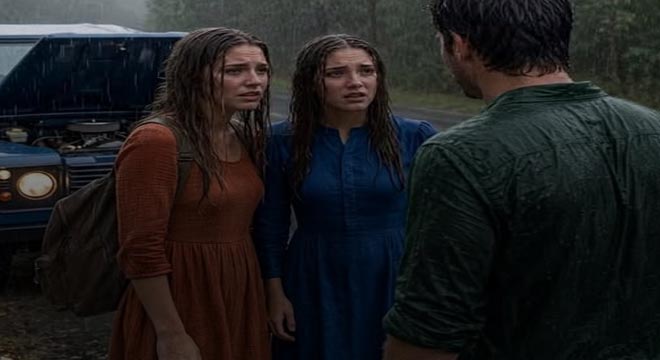
want to tell you what it feels like to hear a bailiff call a courtroom to order when you already know, in your gut, […]
- An 85-Year-Old Widow Went On A Blind Date. –
Her blind date ended with three slaps—and a daughter demanding answers. At eighty-five, the widow had ventured out […]
Whatever verdict emerges, the damage is already real. Millions now see the justice system itself as partisan terrain, not neutral ground. Yet the process — evidence presented in open court, arguments tested, rulings appealed — is the only answer the Constitution offers when politics and law collide. In the end, this trial will not simply judge a former president’s actions. It will quietly measure how much faith the country still has in its own rules.