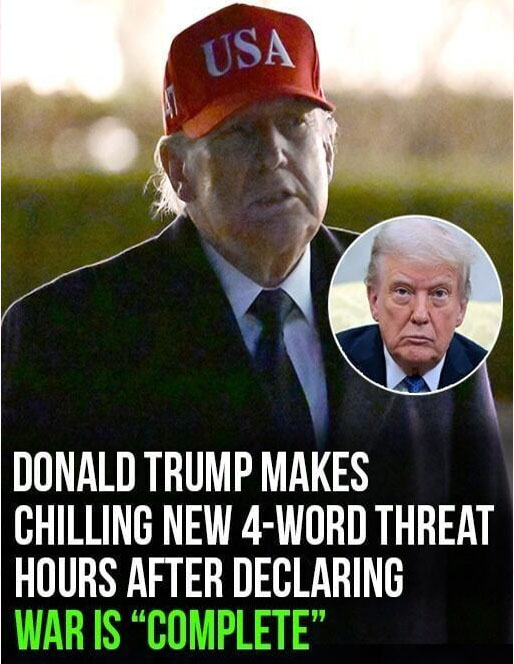
The warning landed like a thunderclap. In a single post, Donald Trump dragged the world’s most fragile oil choke point back to the brink. Iran’s veiled threats, rising missiles, and jittery tankers now collide in a narrow strip of water that could upend the global economy overnight. Traders are spooked, allies are split, and the next move may det… Continues…
Trump’s warning to Iran over the Strait of Hormuz has turned a long-simmering standoff into a moment of acute global tension. By framing any interference with oil shipments as an attack on world commerce itself, he drew a hard line that markets and governments cannot ignore. Every tanker now passing through that narrow corridor carries not just fuel, but the weight of diplomatic miscalculation.
- With heavy hearts… Dolly Parton needs our prayers and support

Concern grew among Dolly Parton’s fans after her family asked people to pray for her during a difficult time. With […]
- He Left Me When I Refused To End My Pregnancy—Five Years Later, He Saw My Twins In A Mall And His Mother’s $2 Million Lie Exploded…

Part 2 Five years earlier, Mara Bennett walked into Vale Capital through the employee entrance, wearing a secondhand […]
Behind the statements and missile strikes lies a deeper fear: that a localized confrontation could trigger cascading economic and political shocks far beyond the Middle East. Energy prices are already climbing on whispers of disruption. Yet the same waterway that symbolizes vulnerability also underscores interdependence. Whether this crisis fades through quiet diplomacy or erupts into a broader clash will depend on decisions made in the shadows—where military planners, negotiators, and anxious leaders all race against time.