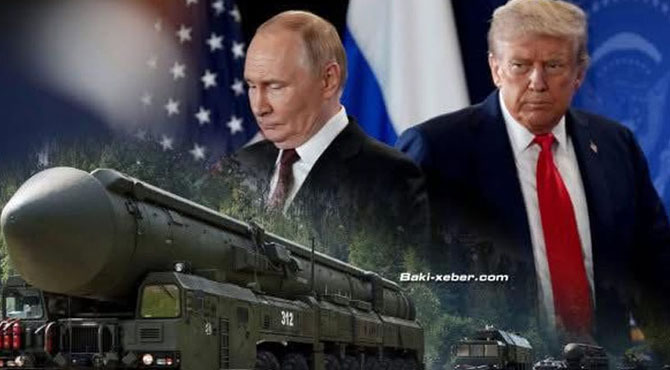
After Russia’s full-scale invasion of Ukraine and increasingly blunt warnings from NATO leaders, Europe is confronting a reality that once seemed distant: it must prepare to defend itself. For decades, the EU leaned on diplomacy and U.S. security guarantees. Now, with trust strained and the war in Ukraine grinding on, Brussels is accelerating plans to strengthen military readiness, industrial capacity, and strategic autonomy.
Eastern European countries are leading the charge. Nations closest to Russia — including Poland, Lithuania, Latvia, Finland, and Sweden — have expanded defence education, updated civil protection guides, strengthened borders, and invested in new infrastructure. Public concern is rising in these regions, even as broader European polling suggests many citizens remain hesitant about direct military involvement.
- 10 Symptoms That Your Body Is Not Right

Specialists say there are many signs that your body is showing you to tell something is wrong. We made a list of these […]
- My Daughter-in-Law Locked Me in the Basement before My Son’s Wedding — I Got Out and Found a Way to Teach Her a Lesson

You know, raising a kid alone wasn’t a walk in the park, especially when your husband died unexpectedly, leaving you […]
At the EU level, defence spending has surged past €300 billion, with ambitious programs like “Readiness 2030” and “ReArm Europe” aiming to streamline procurement, improve cross-border troop mobility, and coordinate joint weapons production. Brussels is also working to cut bureaucratic delays and upgrade critical infrastructure to support rapid military deployment. The goal is clear: reduce fragmentation and build a more unified European defence framework.
Yet major challenges remain. Industrial bottlenecks, regulatory constraints, and political divisions slow progress. At the same time, Washington is pressing Europe to assume greater responsibility within NATO, adding urgency to reform efforts. The question facing the continent is no longer whether it should strengthen its defences — but whether it can do so quickly enough to match the shifting security landscape.