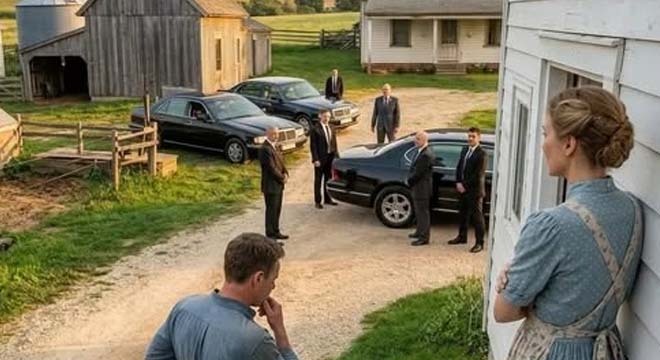
Claire once told me that the most difficult kind of loss is not material, but the quiet erasure of identity. Years earlier, after her father’s passing, a trusted associate gradually assumed control over the famly’s affairs. Legal documents appeared with unfamiliar terms, and decisions were made without her full understanding. When she questioned them, her concerns were dismissed, and those around her chose the simpler explanation over the uncomfortable truth. What began as confusion slowly became isolation, until she realized she could no longer remain in a place where her voice carried no weight.
With limited resources and few people she could rely on, Claire left to rebuild her life elsewhere. The transition was not easy. Without support or stability, she moved from place to place, learning how quickly circumstances can change when a person stands alone. By the time she arrived in our village, she carried very little with her except determination and a quiet resilience. What she found here was not wealth or status, but something steadier—routine, honest work, and a sense of belonging that grew gradually over time.
- A Woman Demanded We Move My Disabled Son’s Wheelchair Because It Was “Ruining Dinner” — Then Her Own Son Walked Into the Restaurant
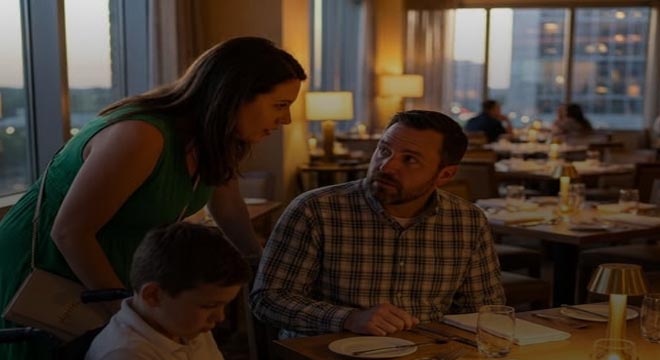
“Move him somewhere else,” the woman demanded, pointing at my nine-year-old son’s wheelchair. “It’s ruining […]
- My Daughter-in-Law Accused Me of Breaking Our $40 Christmas Gift Rule — Then My Granddaughter Found a Letter Hidden Inside the Box
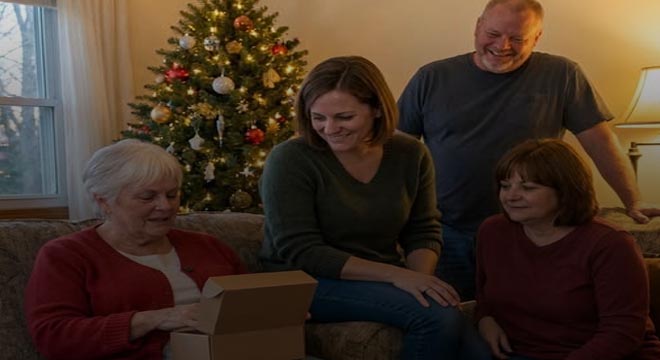
“This is not a forty-dollar gift,” my daughter-in-law announced, raising a small wooden box above her head as […]
We built a life together in simple ways. Days were shaped by small tasks, shared responsibilities, and the steady rhythm of a home created through effort rather than expectation. Claire never spoke much about her past, and I did not press her. What mattered was who she was in the present—kind, hardworking, and deeply committed to the life we were building. Over time, that life grew into a family, and the past felt like something distant, no longer defining who she had become.
Years later, the truth of her situation began to surface. With the help of careful legal work, what had been taken from her was gradually restored. Yet the most important decision came afterward: whether to return to the life she once knew or remain where she had found peace. We chose to stay. Our home expanded, our days remained grounded, and Claire quietly used her restored resources to support others without seeking recognition. Looking back, our story was never about what was lost or regained, but about two people who found stability in each other—and built something meaningful that neither past nor circumstance could take away.