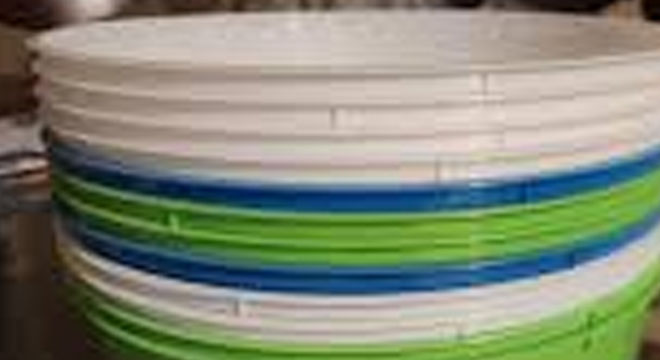
If you own certain plastic bowls, experts say it may be time to replace them—especially if they show signs of wear. While plastic containers are convenient, aging or damaged ones can pose hidden risks that aren’t always obvious at first glance.
Doctors and food-safety specialists warn that bowls that are scratched, cracked, cloudy, warped, or discolored can harbor bacteria. Tiny grooves and damage make it harder to clean them properly, allowing germs to persist even after washing. Over time, this can increase the risk of contamination.
- My Husband Left Me Alone with Our SixMonthOld Twins While He Went on Vacation When He Came Back, He Froze in the Doorway
The story behind the headline My Husband Left Me Alone with Our SixMonthOld Twins While He Went on Vacation When He […]
- My Husband Left Me with 3 Kids and a Mountain of Debt Then My Landlord Gave Me 5 Days to Pay Rent or Move Out

The story behind the headline My Husband Left Me with 3 Kids and a Mountain of Debt Then My Landlord Gave Me 5 Days to […]
Another concern is heat exposure. When older or low-quality plastics are used in microwaves, dishwashers, or with hot food, they may release small amounts of chemicals into food. This is more likely if the container was not designed to handle high temperatures or has been reused extensively over time.
The safest approach is simple: replace damaged plastic bowls, avoid heating food in plastics not labeled microwave-safe, and consider alternatives like glass or stainless steel for long-term use.